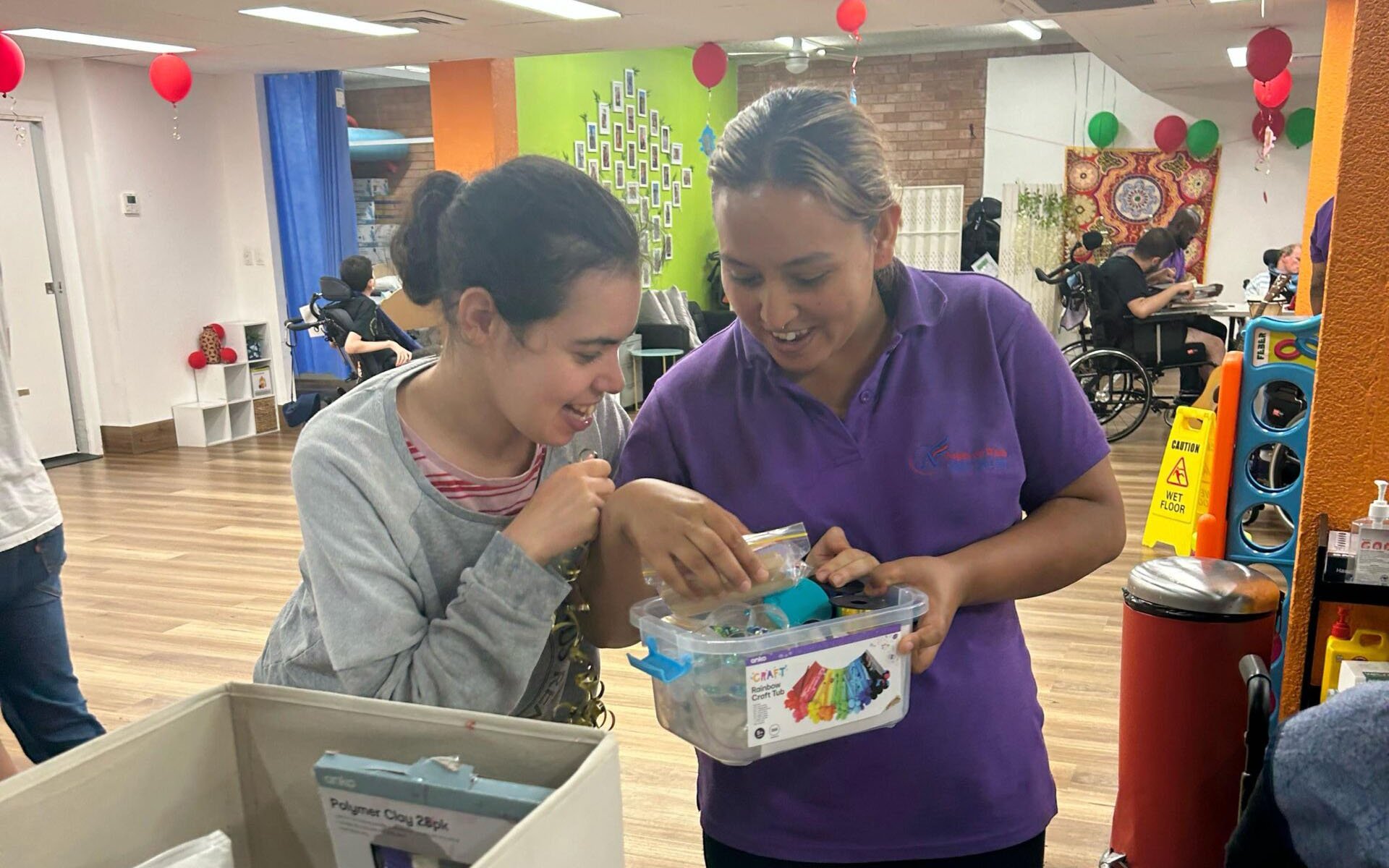
The difference between a good support worker and the right support worker often comes down to chemistry and shared values rather than qualifications alone. While credentials matter, the person who truly understands your goals, communicates in a way that resonates with you, and adapts their approach to your unique situation will deliver far better outcomes than someone with impressive certificates but poor personal fit.
Define Your Non-Negotiables Before You Start Looking
Successful matches begin with honest self-reflection about what matters most to you. Some families prioritise cultural understanding, others need specific technical skills like manual handling or medication support. Consider practical factors too: do you need someone comfortable with pets, willing to travel across Sydney’s transport network, or available for weekend activities?
Write down your absolute requirements versus nice-to-haves. This clarity helps you ask better questions during interviews and avoid settling for someone who ticks most boxes but misses your crucial needs. Remember that flexibility works both ways – a support worker who genuinely cares will often learn new skills or adapt their approach when the relationship is right.
Look Beyond the Resume During Interviews
The best predictor of future performance isn’t past experience alone, but how a potential support worker thinks through challenges and responds to your specific situation. Ask scenario-based questions: “How would you handle it if I became frustrated during an activity we’d planned?” or “What would you do if public transport was disrupted on our way to an appointment?”
Pay attention to their questions too. Support workers who ask about your interests, preferred communication style, or what hasn’t worked well with previous workers demonstrate genuine investment in understanding you as a person. Those who focus solely on schedules and tasks might see the role as just another job.
Understand Different Support Worker Types and Specialisations
Support workers come with varying backgrounds, each bringing different strengths to the relationship. Allied health assistants often excel at therapy-related goals, while community support workers typically shine in social and recreational activities. Some specialise in specific conditions like autism or acquired brain injury, while others bring lived experience of disability themselves.
In NSW, support workers don’t need formal qualifications, but many complete Certificate III or IV in Individual Support. More important is their commitment to ongoing learning and professional development. Ask about recent training, how they stay updated with best practices, and whether they’ve worked with people who have similar goals or challenges to yours.
Test the Waters with Trial Periods
Even the most promising interview doesn’t guarantee real-world compatibility. Start with shorter sessions to observe how you work together before committing to regular, longer supports. This trial period benefits everyone – you can assess their punctuality, communication style, and problem-solving abilities, while they learn your preferences and routines.
During trials, notice whether they arrive prepared, follow through on commitments, and respect your autonomy. Strong support workers encourage your independence rather than taking over tasks you can manage yourself. They should also demonstrate cultural sensitivity and understand boundaries around personal space, privacy, and decision-making.
Recognise Red Flags Early
Some warning signs appear immediately, others emerge over time. Be cautious of support workers who frequently cancel or arrive late without valid reasons, those who seem distracted by their phones during supports, or anyone who makes you feel rushed or judged. Personal boundary issues are particularly concerning – sharing too much about their own life, asking inappropriate questions, or making you feel uncomfortable.
Professional red flags include reluctance to follow your preferences, failure to maintain confidentiality, or resistance to feedback. Trust your instincts if something feels off, even if you can’t articulate exactly what’s wrong. Good support relationships should leave you feeling respected, supported, and more confident in pursuing your goals.
Build and Maintain Strong Working Relationships
Once you find the right fit, invest in the relationship through clear communication and mutual respect. Regular check-ins help address small issues before they become problems, while acknowledging good work builds motivation and loyalty. Remember that support workers are professionals deserving of courtesy and appreciation for their efforts.
Consider practical factors that support long-term relationships too. Reasonable notice for schedule changes, understanding when they’re unwell, and respecting their professional development needs all contribute to job satisfaction and reduce turnover. The stability of having consistent support workers benefits everyone involved.
Speak with Our Team
Choosing the right support worker is one of the most important decisions in your disability support journey. Our experienced coordinators at Angels on Wheels understand the complexities of matching personalities, skills, and goals to create successful long-term relationships. Get in touch with Angels on Wheels to discuss your specific needs and learn how we can help you find support workers who truly understand and value what matters most to you.