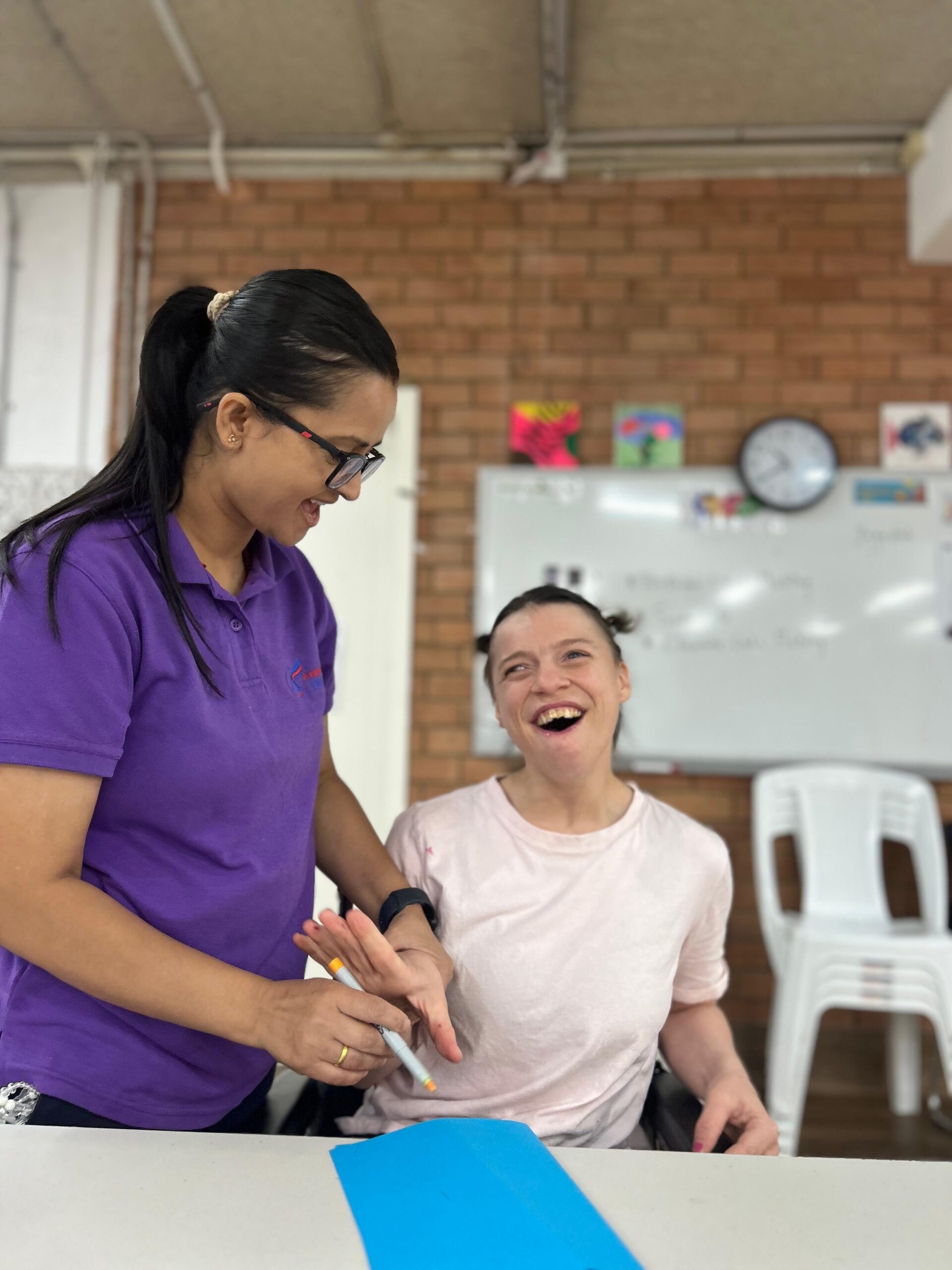
Person-centred planning transforms from theory into practice when a person’s daily choices genuinely drive their support decisions. After years of supporting families across Sydney’s south, I’ve seen how the most successful plans emerge from ordinary conversations about what matters most – whether that’s catching the train independently to Rockdale Plaza, joining a community choir in Sutherland, or simply having more control over morning routines.
Starting with Dreams, Not Deficits
Real person-centred planning begins by asking what someone wants their life to look like, not what services they need. When working with a young person who wants to work in hospitality, we explore their interest in cafes around Cronulla before discussing communication support or travel training. This approach shifts conversations from managing difficulties to building on strengths and interests.
The planning process works best when the person with disability leads discussions, with family members and supporters contributing insights rather than making decisions for them. Even when someone has significant communication needs, their preferences emerge through careful observation of what brings them joy, calm, or engagement.
Building Your Circle of Support
Person-centred planning recognises that meaningful support extends far beyond paid services. The most effective circles include family members, friends, neighbours, colleagues, and community connections alongside professional supporters. In areas like the Sutherland Shire, this might include the local library staff who know someone’s reading preferences, the bus driver who offers friendly greetings, or the swimming instructor who understands their routine.
Identifying these natural supports helps create a fuller picture of what’s already working well in someone’s life. These relationships often provide the foundation for achieving bigger goals – like the neighbour who becomes a walking companion, making independent community access feel more achievable.
Turning Goals into Daily Actions
Person-centred plans succeed when they translate aspirations into practical next steps. If someone wants to volunteer at an animal shelter, the plan might include visits to local shelters, meeting with volunteer coordinators, developing specific skills, and arranging transport solutions. Each small step builds confidence and moves closer to the larger goal.
Effective plans also account for Sydney’s unique geography and transport challenges. Supporting someone’s goal to attend university might involve practising train journeys from Rockdale to Central, learning to use the Opal app, or identifying accessible routes around campus. The plan adapts to local realities while maintaining focus on the person’s chosen direction.
When Plans Need to Change
Life circumstances shift, interests evolve, and health needs fluctuate. Person-centred planning embraces this reality by building in regular reviews and flexibility. A plan that seemed perfect six months ago might need significant adjustments when someone’s living situation changes or they discover new passions.
The key is maintaining the planning principles – keeping the person’s voice central, building on their strengths, and working toward their chosen goals – while adapting the specific strategies and supports. Sometimes this means pausing certain activities while health stabilises, or redirecting energy toward unexpected opportunities that align with someone’s values and interests.
Supporting Decision-Making Every Day
Person-centred planning extends beyond formal meetings into everyday support practices. When support workers consistently offer choices about daily activities, explain options clearly, and respect preferences, they reinforce the planning principles in practical ways. This might look like asking whether someone prefers to shop at Westfield Hurstville or the local shops in Rockdale, or supporting them to choose their own clothes rather than laying out options.
Supporting decision-making also means recognising that people learn and communicate in different ways. Some people need visual supports, others benefit from extra processing time, and many communicate preferences through behaviour rather than words. Good supporters pay attention to these individual patterns and adapt their approach accordingly.
Speak with Our Team
Person-centred planning works best with supporters who understand both the philosophy and the practical steps involved. Our experienced team helps families navigate this process, connecting individual goals with appropriate supports and community opportunities across Sydney’s south. Get in touch with Angels on Wheels to discuss how person-centred approaches can strengthen support for you or your family member.