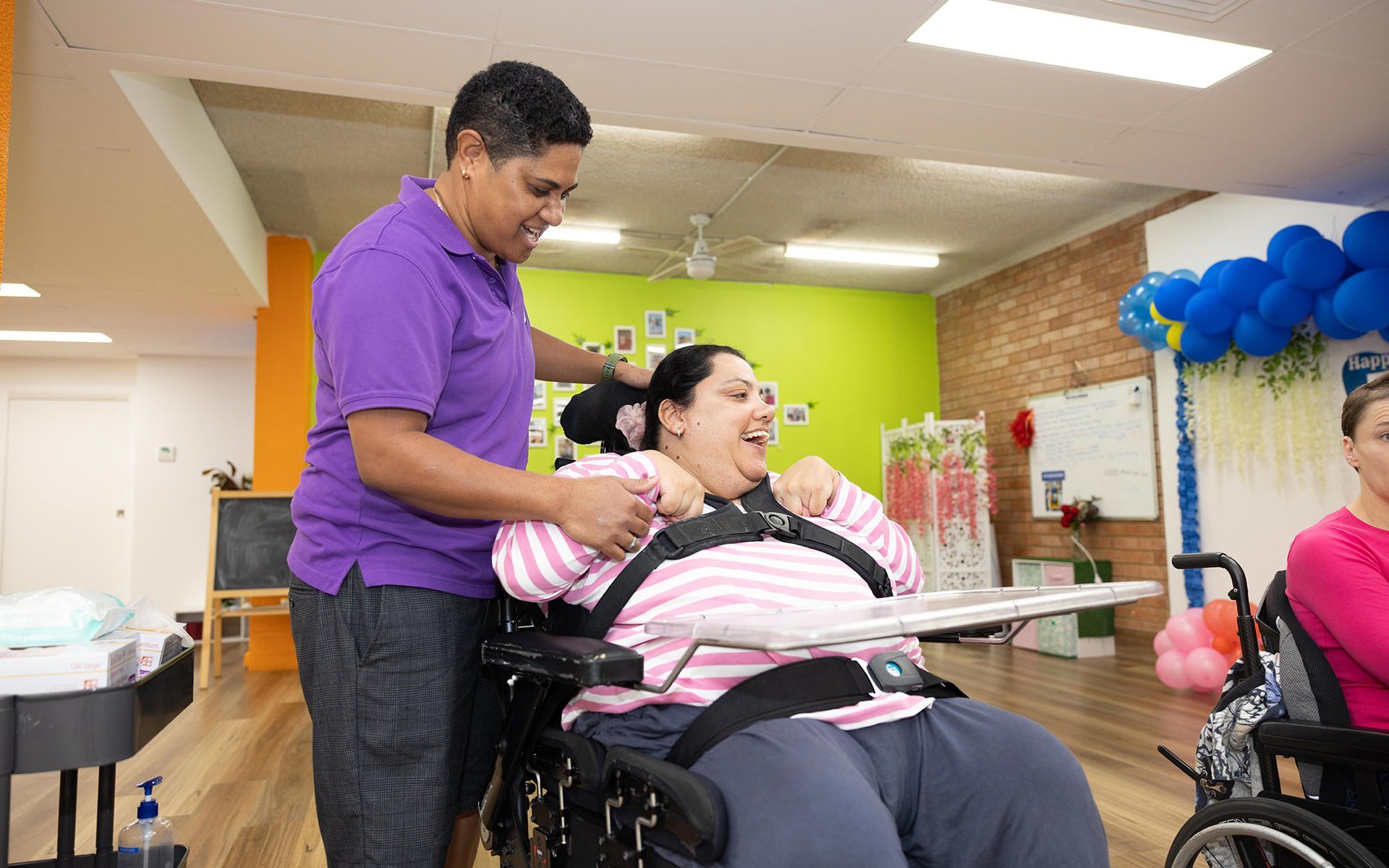
Allied health professionals form the backbone of effective disability support, yet many families underestimate their transformative impact on daily independence and quality of life. These specialists—occupational therapists, speech pathologists, physiotherapists, dietitians, and psychologists—work beyond traditional medical boundaries to address the practical challenges that matter most: communication, mobility, self-care, and social participation. Understanding their distinct roles and collaborative approach can dramatically improve outcomes for people with disability.
The Power of Occupational Therapy in Daily Life
Occupational therapists specialise in enabling independence through meaningful activities. They assess how physical, cognitive, or sensory challenges affect daily tasks and develop practical solutions. This might involve recommending assistive technology, modifying home environments, or teaching new techniques for dressing, cooking, or managing personal care.
For families in Sydney’s diverse communities, occupational therapists understand local contexts—from navigating public transport accessibility to finding equipment suppliers across the city. They often become the bridge between medical recommendations and real-world application, ensuring interventions actually work in your specific living situation.
The most effective occupational therapists focus on what you want to achieve, not just what’s clinically appropriate. They’ll work with you to prioritise goals, whether that’s maintaining employment, participating in community activities, or simply feeling more confident at home.
Speech Pathology: Beyond Words and Sounds
Speech pathologists address communication and swallowing difficulties that profoundly impact social connection and safety. Their expertise extends far beyond pronunciation—they support alternative communication methods, cognitive-communication skills, and safe eating practices.
Many families discover speech pathology support later than optimal, often after communication challenges have created frustration or isolation. Early intervention, or re-engaging with speech pathology services, can unlock significant improvements in relationships, education, and employment opportunities.
Modern speech pathology embraces technology, from communication apps to voice amplification devices. Sydney-based practitioners often have strong networks with assistive technology providers and can facilitate trials before purchasing expensive equipment. They also understand cultural and linguistic diversity, crucial in our multicultural communities.
Physiotherapy: Movement, Function, and Prevention
Physiotherapists focus on optimising movement, managing pain, and preventing secondary complications. For people with disability, this might involve maintaining joint flexibility, building strength for transfers, or developing balance for safer walking.
What sets disability-focused physiotherapy apart is its emphasis on functional movement patterns. Rather than generic exercises, physiotherapists design programs around real activities—getting in and out of cars, navigating stairs, or participating in recreational activities.
Consider the difference between hospital-based physiotherapy focused on recovery, and ongoing community physiotherapy that adapts to changing needs and life circumstances. Many people benefit from periodic physiotherapy reviews, especially as they age or their conditions evolve.
Psychology: Mental Health and Adaptive Strategies
Psychologists specialising in disability understand the complex interplay between mental health, adjustment, and practical challenges. They provide therapy for anxiety, depression, and trauma while also teaching coping strategies specific to disability experiences.
Family members often overlook their own mental health needs while focusing on their loved one’s support. Disability-informed psychologists work with entire family systems, recognising that everyone’s wellbeing affects outcomes.
In NSW, psychologists with disability expertise often collaborate closely with other allied health professionals, creating comprehensive approaches that address both emotional and practical aspects of challenges. This integrated approach proves particularly valuable during major life transitions or when facing new difficulties.
Building Your Allied Health Team
The most successful allied health support combines multiple disciplines working toward shared goals. This requires careful coordination and regular communication between professionals, participants, and families.
Start by identifying your priority areas: communication, mobility, daily living skills, or mental health. While you might engage multiple allied health professionals, having clear priorities helps ensure everyone works toward the same outcomes.
Look for professionals who demonstrate cultural competence, especially if English isn’t your first language or if cultural factors influence your support preferences. Many allied health professionals in Sydney’s diverse communities offer multilingual services or work with interpreters.
Consider geographic accessibility alongside professional expertise. Regular allied health services work best when convenient to attend, whether that’s clinic-based appointments or in-home visits depending on your needs and preferences.
Speak with Our Team
Navigating allied health options can feel overwhelming, especially when coordinating multiple professionals and understanding how they work together. Our experienced team understands the allied health landscape across Sydney and can help you identify the right professionals for your specific goals and circumstances.
Whether you’re new to allied health services or looking to enhance your current support, we’re here to provide guidance and connect you with trusted professionals in your area. Get in touch with Angels on Wheels to discuss how allied health professionals can support your journey toward greater independence and wellbeing.