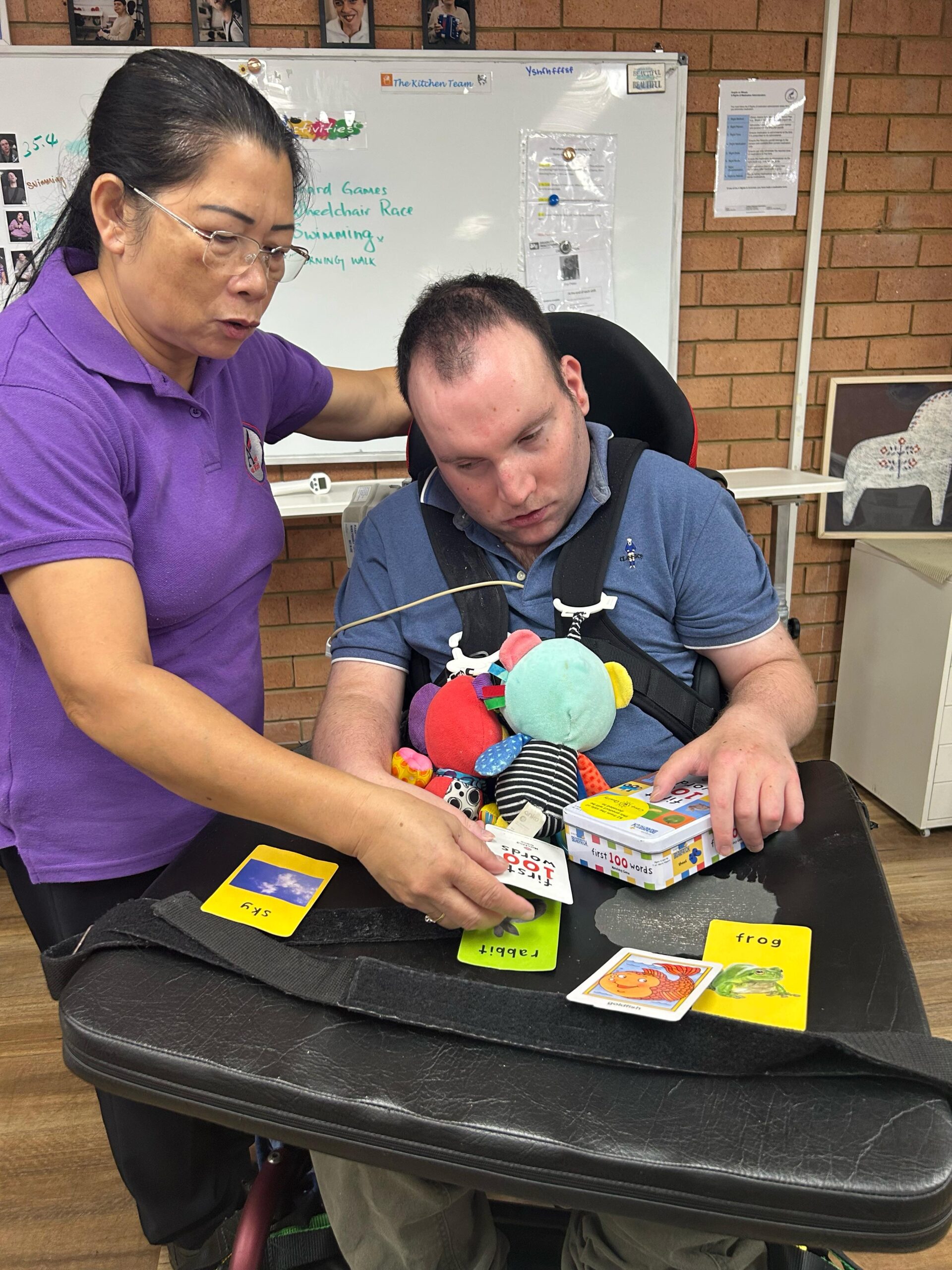
The transition from school to adult disability services represents one of the most significant shifts in a young person’s life, yet many families are caught unprepared when Year 12 ends and the structured school environment disappears. Unlike the automatic progression through school grades, adult services require active planning, applications, and often lengthy waiting periods. Starting these conversations and preparations during Year 10 gives families the best chance of securing meaningful post-school pathways and avoiding the gap that leaves many young adults isolated at home.
Understanding the Landscape of Post-School Options
Adult disability services operate differently from the school system, with various providers offering specialised programs rather than one centralised service. In NSW, options include Australian Disability Enterprises for supported employment, day programs focused on life skills and community participation, and supported independent living arrangements. Each pathway serves different goals and suits different support needs.
The key difference from school is choice and responsibility. While schools must accept enrolled students, adult services have capacity limits and eligibility criteria. Some programs have waiting lists extending beyond a year, while others may not suit your young person’s interests or support requirements. This makes early research and multiple applications essential.
Many families are surprised to learn that some services operate Monday to Friday only, unlike the five-day school week they’re used to. Understanding these practical differences helps set realistic expectations and plan for additional supports or activities.
Timing Your Transition Planning
Successful transitions begin during Year 10, not in the final months of Year 12. This timeline allows for service visits, trial periods, and addressing any gaps in documentation or assessments. Starting early also reduces stress for the young person, who can gradually adjust to the idea of post-school life.
During Year 10 and 11, focus on exploring options and understanding what appeals to your young person. Visit different services, attend open days, and speak with current participants and their families. This exploration phase helps identify preferences and potential matches before formal applications become urgent.
Year 12 becomes the application and confirmation year. Submit applications early in Term 1, as many services have annual intake processes. Use this time to finalise transitions plans with the school and coordinate with new service providers for gradual introductions.
Building Essential Documentation
Adult services require comprehensive documentation that schools may not have prepared. Start gathering medical reports, psychological assessments, and functional capacity evaluations during Year 11. Many services require recent assessments (within two years), so older school reports may not suffice.
Work with your school to develop a detailed transition plan that outlines your young person’s strengths, support needs, and goals. This document becomes invaluable when explaining your situation to potential service providers. Include specific examples of successful supports and strategies that work well.
Don’t forget practical documents like proof of address, identification, and any legal guardianship arrangements. Having a complete file ready speeds up applications and demonstrates your preparation to service providers.
Navigating Service Provider Selection
Choosing the right service provider requires more than comparing brochures. Visit services during operational hours to observe the atmosphere, interactions between staff and participants, and daily activities. Notice whether participants seem engaged and respected, and whether the environment feels welcoming.
Ask specific questions about staff qualifications, turnover rates, and how they handle challenging situations. Inquire about transportation arrangements, whether services continue during school holidays, and how they communicate with families. These practical details significantly impact daily experiences.
Consider the service’s approach to person-centred planning and how they incorporate individual goals into programming. The best providers demonstrate flexibility in adapting their services to suit participants rather than expecting everyone to fit the same mould.
Supporting Your Young Person Through Change
The emotional aspect of leaving school affects young people differently, but many experience anxiety about losing familiar routines and friendships. Start conversations about post-school plans early, focusing on exciting opportunities rather than what they’re leaving behind.
Gradual transitions work better than sudden changes. Arrange visits to new services during school holidays or free periods. If possible, organize trial days where your young person can participate in activities and meet staff and peers. This familiarity reduces first-day anxiety.
Maintain connections with school friends where possible, while encouraging new relationships at adult services. Social connections often become the most valued aspect of post-school programs, providing motivation and enjoyment that sustains long-term participation.
Preparing for Life After School Structure
School provides external structure that adult life often lacks, requiring young people to develop internal motivation and time management skills. Begin building these capacities during senior school years through increased independence in daily routines and decision-making opportunities.
Consider what will happen during service closure periods, such as Christmas breaks or staff training days. Adult services typically have more closure days than schools, requiring alternative arrangements. Plan ahead for these gaps to maintain routine and engagement.
Think beyond formal services to community connections and interests that provide meaning and purpose. Hobbies, volunteer opportunities, and recreational activities contribute to a full life alongside structured support services.
Speak with Our Team
Navigating the transition from school to adult services involves many moving parts and important decisions. Our experienced support coordinators understand the NSW service landscape and can help you plan a smooth transition pathway. We work alongside families to explore options, coordinate applications, and ensure continuity of support during this crucial period. Get in touch with Angels on Wheels to discuss how we can support your young person’s transition to adult services.