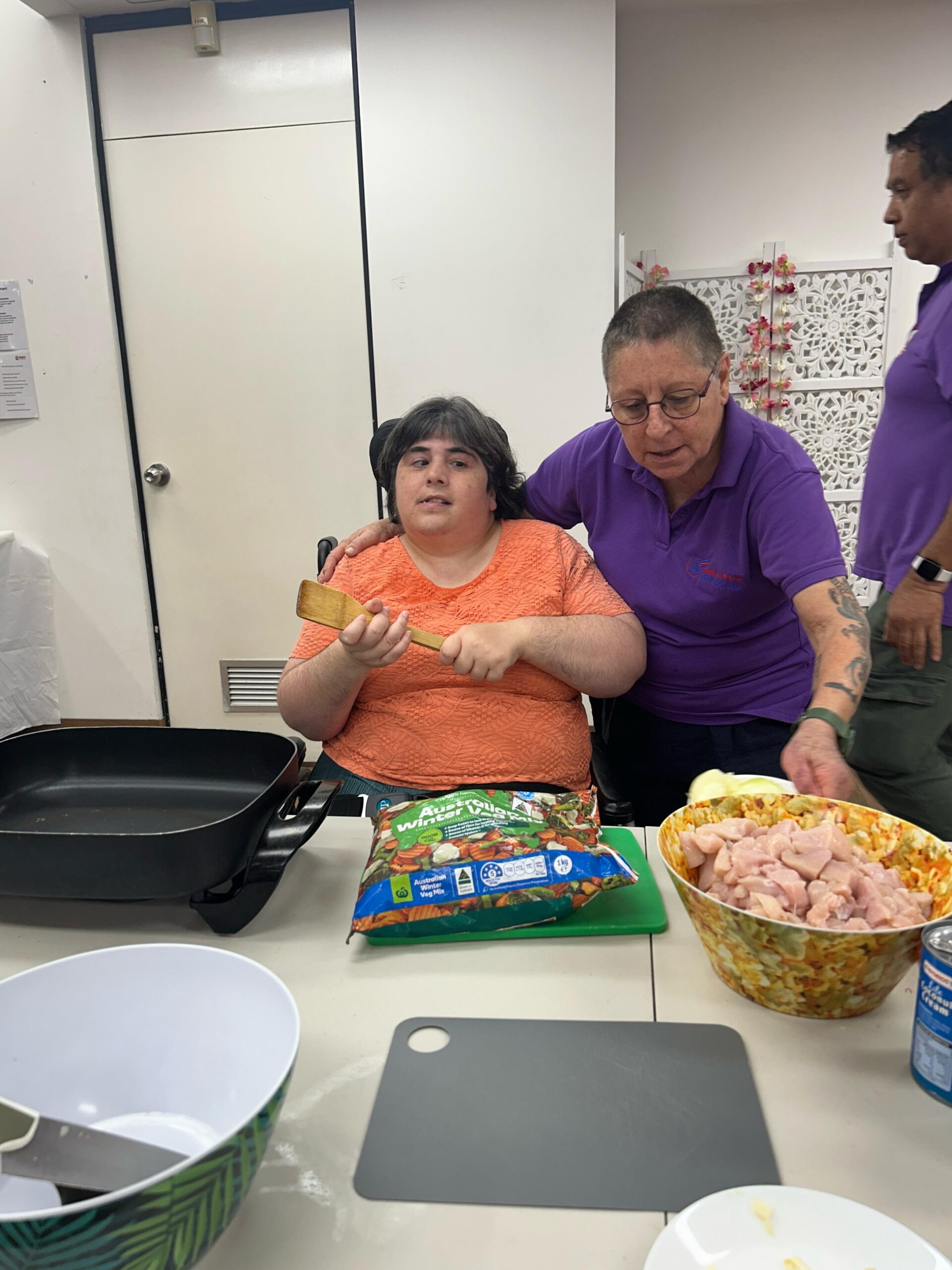
The first visit to a disability day program isn’t about proving anything or meeting expectations—it’s about discovering whether this particular environment feels right for you or your loved one. Most programs understand that people need time to settle in, which is why initial visits focus on comfort and connection rather than formal assessments. Understanding what actually happens during this visit can transform anxiety into confidence, helping both participants and families feel prepared for this important step.
Pre-Visit Preparation and Documentation
Before your first visit, the day program coordinator will typically contact you to gather essential information about preferences, communication styles, and any specific needs. This conversation covers practical details like mobility requirements, dietary considerations, and communication preferences. In NSW, many programs also discuss transport options during this initial contact, as getting to and from the program safely is often a primary concern for families.
Bring any relevant reports or assessments, but don’t feel overwhelmed if your documentation isn’t comprehensive. Program staff are skilled at observing and understanding individual needs through interaction rather than relying solely on paperwork. A simple list of likes, dislikes, and current routines often proves more valuable than formal reports.
The Welcome and Orientation Process
Most first visits begin with a gentle introduction to the physical space and key staff members. This isn’t a rushed tour—programs understand that people with disability often need time to process new environments. You’ll typically meet the program coordinator, direct support workers, and perhaps other participants who are comfortable with introductions.
The orientation focuses on showing rather than telling. Staff will demonstrate how activities work, where different spaces are located, and what a typical day looks like. Many Sydney-based programs offer flexible timing for first visits, allowing you to experience either a morning or afternoon session depending on energy levels and preferences.
Meeting Staff and Understanding Support Styles
During your visit, pay attention to how staff interact with current participants. Quality programs demonstrate patience, respect individual communication styles, and show genuine interest in each person’s contributions. Staff should introduce themselves clearly and explain their roles without overwhelming you with too much information at once.
Observe whether staff members:
- Allow people time to respond and process information
- Offer choices throughout activities rather than directing everything
- Show flexibility when someone needs a break or different approach
- Demonstrate clear communication about what’s happening next
Trust your instincts about whether the staff approach feels compatible with your communication and support preferences.
Experiencing Activities and Assessing Fit
Rather than participating in every available activity, first visits usually involve sampling one or two programs that match expressed interests. This might include creative arts, life skills practice, community access preparation, or social activities. The goal is experiencing the program’s approach rather than completing specific tasks.
Pay attention to how activities are structured—whether there’s flexibility for different skill levels, opportunities for choice-making, and respect for individual pacing. Quality programs in Sydney often showcase their community connections during first visits, explaining how they help participants engage with local cafes, libraries, parks, and community centres in areas like Rockdale, Sutherland, and surrounding suburbs.
Addressing Concerns and Next Steps
First visits typically conclude with an informal discussion about observations, concerns, and potential next steps. This is your opportunity to ask specific questions about daily routines, staffing ratios, emergency procedures, and how the program adapts to individual needs.
Don’t hesitate to discuss any concerns that arose during the visit. Reputable programs welcome honest feedback and can often address specific worries through adjustments or additional support strategies. This conversation also covers practical details like start dates, frequency of attendance, and ongoing communication between the program and families.
Building Confidence Through Gradual Transition
Many programs recommend starting with shorter or less frequent sessions to build familiarity and confidence. This gradual approach respects the significant adjustment that joining a new program represents, particularly for people who may have had limited community participation experiences.
Consider requesting a follow-up conversation within the first few weeks of regular attendance. This check-in helps address any adjustment challenges early and ensures the program continues meeting individual needs as comfort levels increase.
Speak with Our Team
Choosing the right day program is an important decision that deserves thoughtful consideration and support. Our experienced team understands the questions families have about day programs and can help you navigate this process with confidence. Get in touch with Angels on Wheels to discuss your specific situation and explore how we can support you in finding programs that truly fit individual needs and goals.