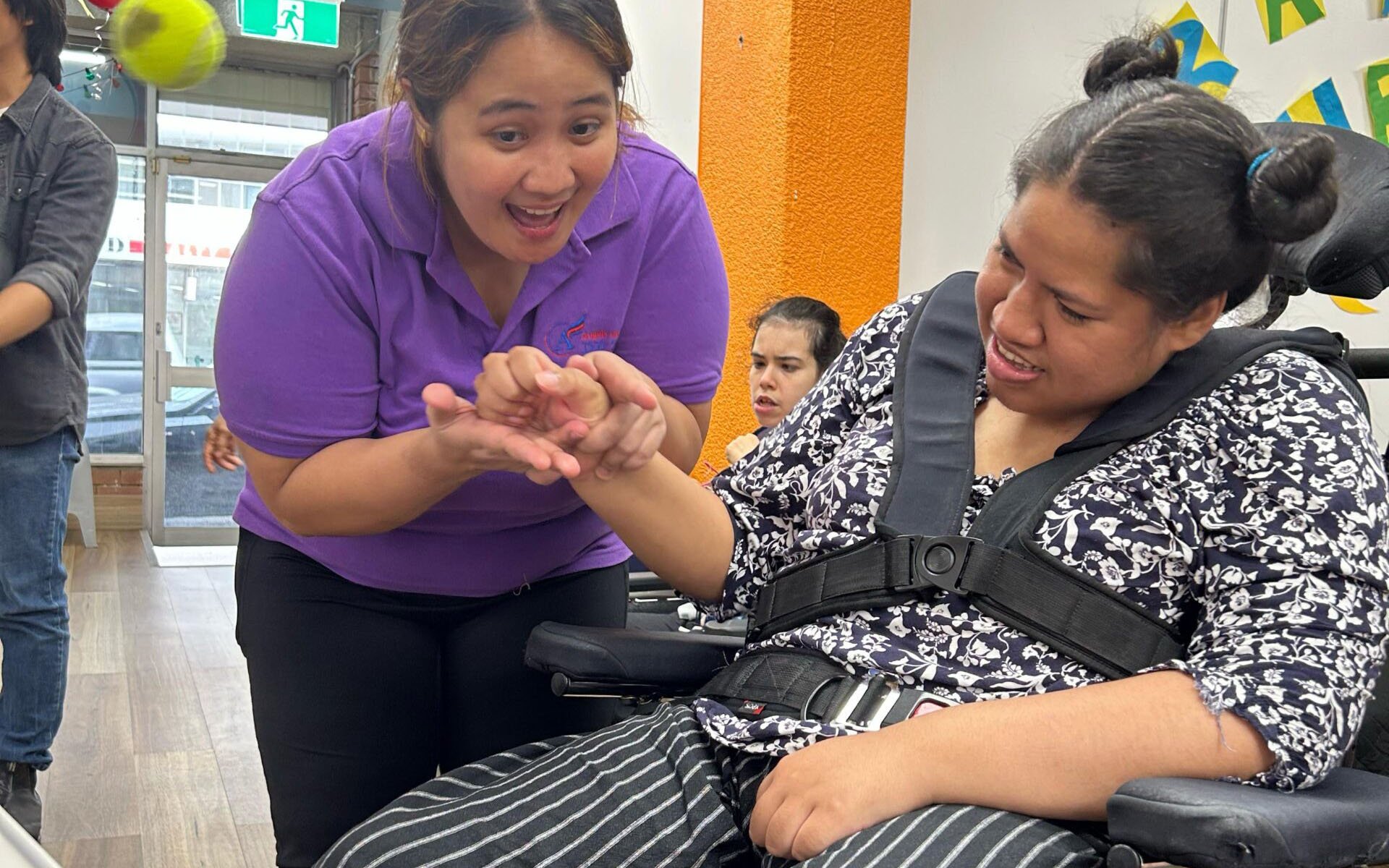
The new planning framework introduces streamlined processes that prioritise participant choice and control in disability support services. These changes, rolling out across NSW including Sydney’s south, aim to create more flexible and responsive support arrangements that better match individual needs and goals.
Key Changes in the Planning Process
The updated framework shifts focus from rigid service categories to outcome-based planning. Participants now have greater flexibility to design support arrangements that work for their specific circumstances and living situations.
Planning conversations will emphasise:
- Individual goals and aspirations
- Community participation preferences
- Support needs in daily activities
- Technology and equipment requirements
- Family and carer involvement preferences
Impact on Support Delivery in Sydney’s South
For families in areas like Rockdale, Sutherland, and surrounding suburbs, these changes mean more responsive support options. Service providers can now adapt their approaches more readily to meet changing needs without lengthy approval processes.
Local community programs and recreational activities will be better integrated into individual plans, recognising the importance of neighbourhood connections and familiar environments for wellbeing.
Enhanced Participant Rights and Safeguards
The framework strengthens participant rights through clearer complaint processes and regular plan reviews. Participants have stronger advocacy support and can request plan changes when circumstances shift.
New safeguarding measures ensure quality service delivery while maintaining the flexibility that participants value. These protections are particularly important for people requiring high levels of support or those transitioning between different life stages.
Technology Integration and Digital Tools
Digital planning tools are being introduced to make the process more accessible. Online portals allow participants to track their support usage, communicate with providers, and request adjustments to their arrangements.
For families comfortable with technology, these tools provide real-time insights into support delivery and outcomes. Traditional face-to-face options remain available for those who prefer personal interaction.
Timeline and Implementation
The framework is being implemented gradually across NSW, with full rollout expected by mid-2024. Current participants will transition to the new system during their regular plan reviews, ensuring continuity of support throughout the change process.
Service providers are receiving training on the new processes to ensure smooth transitions. Participants will receive information about changes that affect their specific arrangements well in advance of implementation.
Preparing for the Changes
Participants can prepare by reviewing their current goals and thinking about what works well in their existing support arrangements. Consider what changes might improve your quality of life or help you participate more fully in your community.
Keep records of your current supports and any challenges you face. This information will be valuable during planning conversations under the new framework. Don’t hesitate to discuss your preferences and concerns with your support team.
Speak with Our Team
Navigating changes in disability support planning can feel overwhelming. Our experienced team at Angels on Wheels understands the local landscape and can help you prepare for these updates. We’re here to support you through transitions and ensure your arrangements continue to meet your needs. Get in touch with Angels on Wheels to discuss how these changes might affect you or your family member.